Website designed with the B12 website builder. Create your own website today.
Start for free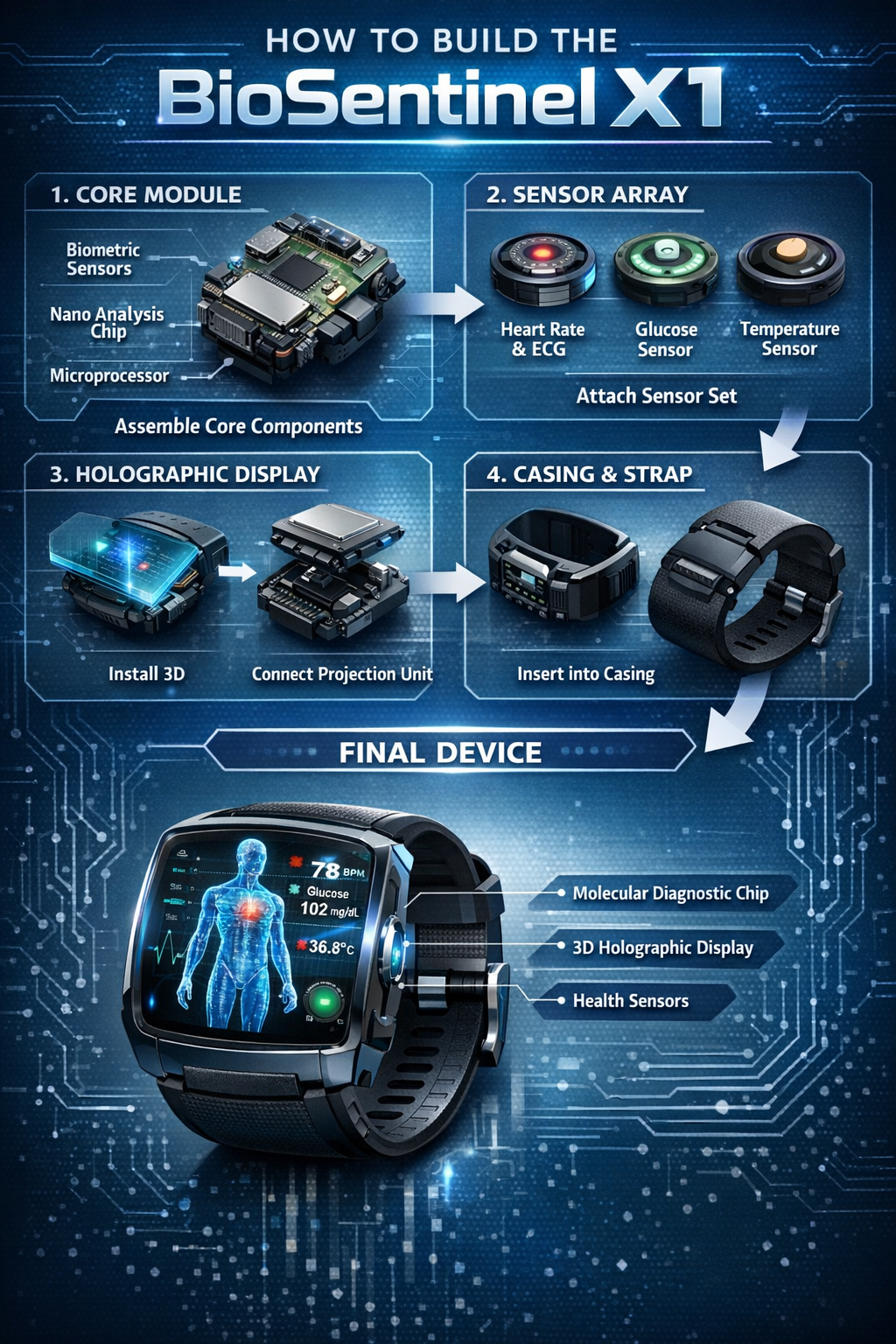
In the rapidly evolving landscape of healthcare, new inventions are transforming the way we approach medical research and patient care. From groundbreaking diagnostic tools to innovative treatment modalities, these advancements not only enhance our understanding of diseases but also significantly improve patient outcomes. As technology continues to accelerate, researchers and healthcare professionals are harnessing these new inventions to push the boundaries of what is possible in medical science, paving the way for a healthier future.
Collaboration stands at the heart of this innovation wave, uniting experts from diverse fields to tackle some of the most pressing challenges in healthcare. By sharing knowledge and resources, teams can create novel inventions that address unmet medical needs and optimize treatment protocols. As we explore the exciting new inventions reshaping the future of medical research, we will highlight the pivotal role of collaboration and examine how these advancements are revolutionizing patient outcomes and expanding treatment options.
Exciting new inventions reshaping the future of medical research
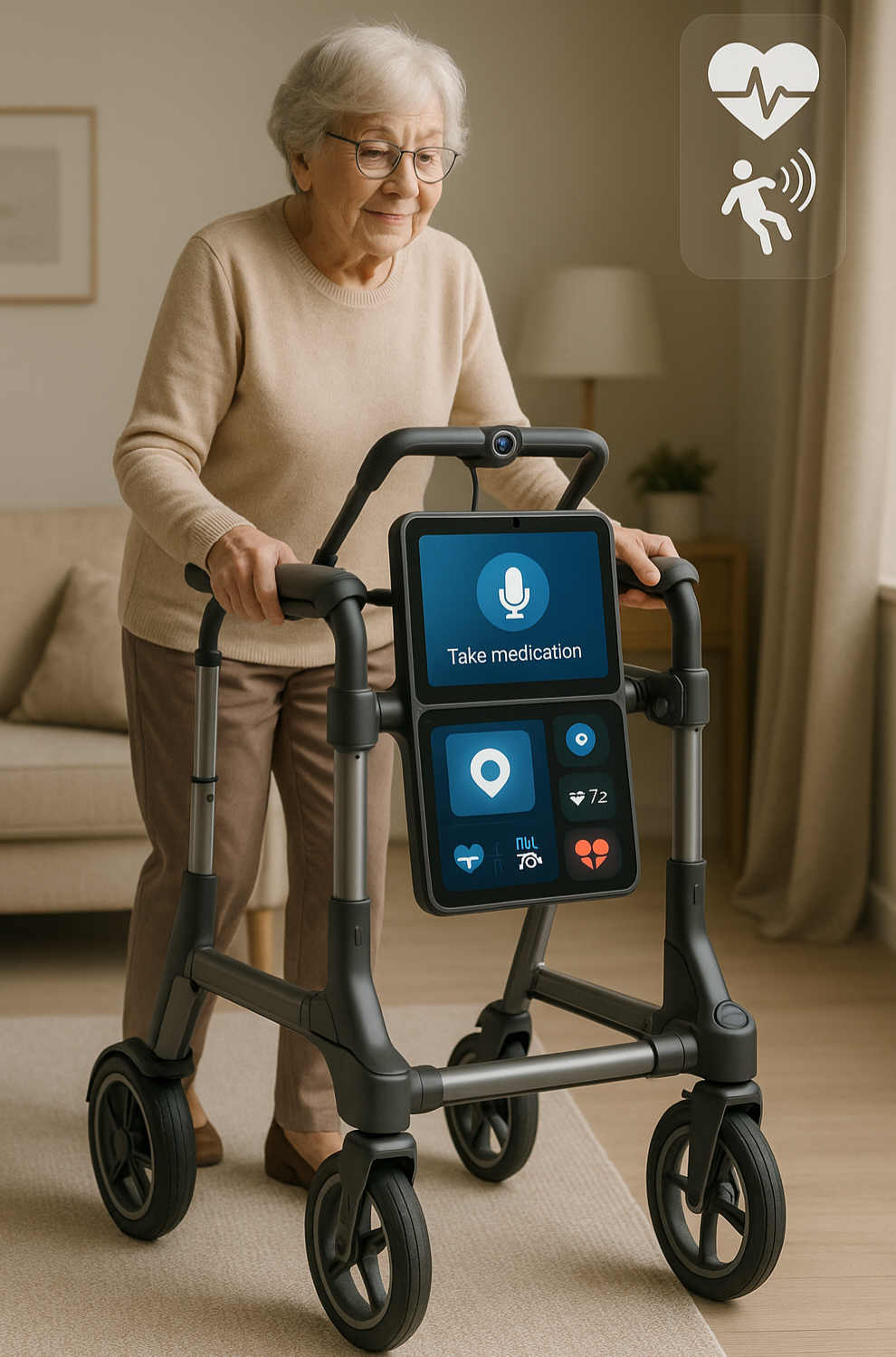
The landscape of medical research is undergoing a remarkable transformation, driven by a wave of exciting new inventions. Innovations such as artificial intelligence and machine learning are enabling researchers to analyze vast datasets, leading to breakthroughs in disease detection and personalized treatment strategies. Wearable technology, like smart health monitors, offers real-time data collection, empowering researchers to assess patient health and treatment efficacy dynamically. These inventions not only enhance understanding but also accelerate the pace of discoveries in various fields, from oncology to neurology.
Moreover, breakthroughs in biotech, including CRISPR technology, allow scientists to edit genes with extraordinary precision, opening new horizons for gene therapy. Advanced imaging techniques of the body offer unprecedented insights into the human anatomy, enhancing diagnostic accuracy and treatment planning. As researchers continue to harness these state-of-the-art inventions, the potential for improving health outcomes and pushing the boundaries of what's possible in medicine becomes increasingly promising. The synergy between technology and medical research paves the way for a future where diseases may soon become more manageable—or even curable—thanks to these innovative advancements.
The role of collaboration in driving new inventions in healthcare
Collaboration plays a crucial role in the realm of medical research and innovation, propelling new inventions that transform patient care. Researchers, clinicians, and technology developers often come together to share insights, combine expertise, and harness diverse perspectives. This teamwork not only fosters a more holistic understanding of complex medical challenges but also accelerates the development of groundbreaking solutions. For instance, joint ventures among universities, biotech companies, and healthcare providers have led to rapid advancements in medical devices, telehealth platforms, and personalized medicine, showcasing how collaborative efforts can lead to impactful new inventions.
Furthermore, interdisciplinary partnerships extend the reach of innovation in healthcare. By integrating knowledge from fields such as engineering, computer science, and bioinformatics, medical researchers can create unique inventions that address real-world problems. These partnerships enable the cross-pollination of ideas, culminating in multi-faceted approaches to issues like chronic disease management and diagnostic imaging. As collaboration thrives, the pace of innovation increases, ultimately leading to new inventions that enhance treatment efficacy and improve patient outcomes. In this interconnected landscape, collaboration truly acts as the catalyst for transformative advancements in healthcare.
How new inventions are revolutionizing patient outcomes and treatment options
New inventions in medical technology are transforming the landscape of patient care, leading to enhanced treatment options and improved outcomes. Cutting-edge devices such as wearable health monitors allow patients to track vital signs in real time, enabling early detection of potential health issues. These inventions empower both patients and healthcare providers by fostering a proactive approach to health management. They encourage a shift from traditional, reactive treatment methods to preventative strategies, ultimately reducing the need for more invasive interventions.
Furthermore, breakthroughs in telemedicine and artificial intelligence are breaking down barriers to accessing quality healthcare. Patients no longer need to travel great distances to receive specialized care; virtual consultations and AI-assisted diagnostic tools connect them with experts conveniently and efficiently. These innovations ensure that patients receive quicker diagnoses and personalized treatment plans tailored to their unique needs. As a result, the medical community experiences a paradigm shift, whereby innovative solutions significantly enhance patient outcomes and deliver more efficient, effective healthcare.